
The Nature of Luck in Gambling
Luck is often described as a force that brings good fortune, especially in games of chance like those played in casinos. Many gamblers believe that luck is something inherent or that it can be attracted through certain behaviors or rituals. However, understanding luck in gambling requires a deeper look into probability, outcomes, and the random nature of games. What many fail to realize is that luck is largely an illusion, shaped by human perception and cognitive biases rather than an actual influence on game outcomes, which is why many players choose to mark up betticasino for better odds and strategies.
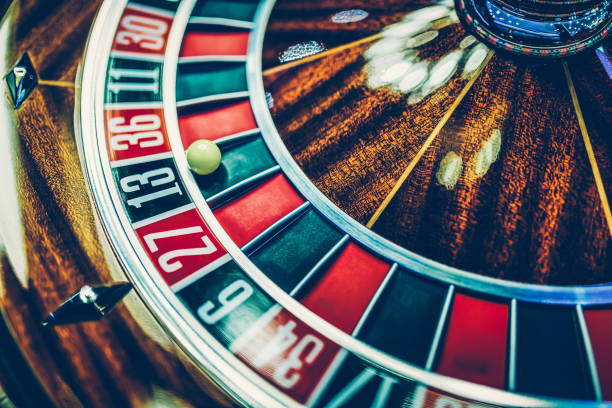
In gambling, luck translates to randomness, which means that each outcome is independent of the previous one. For example, in games like roulette or slots, no amount of superstition or strategic thinking can alter the mechanical and mathematical probabilities involved. Gamblers may experience winning streaks or losses, but these are not indicators of future outcomes. Instead, they are simply part of the random variance inherent in the game. Recognizing this can be crucial to adjusting one’s approach to gambling and reframing the idea of luck.
Furthermore, the concept of luck can lead to engaging behaviors, such as the belief in lucky numbers or charms that supposedly enhance one’s chances of winning. While these practices can add a sense of enjoyment and personal meaning to gambling experiences, they do not impact the odds. By separating the myth of luck from the reality of gambling, players can cultivate a more informed attitude toward their gambling habits, focusing on strategy and responsible play instead.
Psychological Factors at Play
The psychological aspect of gambling plays a significant role in how individuals perceive luck. Cognitive biases, such as the gambler’s fallacy, can mislead individuals into believing they have control over random outcomes. For instance, someone might think that if a particular number hasn’t come up in a while, it is “due” to appear soon. Such misconceptions can lead to ill-informed betting choices and ultimately affect one’s financial stability.
Moreover, the excitement and social atmosphere of gambling venues contribute to altering perceptions of luck. Players can feel euphoric or despondent based on their emotional states, which affect their decision-making processes. This psychological high can create a false association between the player’s mood and luck, leading to a belief that certain emotions can influence outcomes. Understanding these psychological influences is crucial for gamblers hoping to improve their gameplay and reduce losses.
Additionally, the excitement surrounding gambling can also create an illusion of control. Many players engage in rituals or specific betting patterns, believing these practices will lead to more favorable outcomes. While this may enhance their experience, it does not change the odds of winning or losing. Recognizing that gambling is based more on chance than skill helps individuals manage their expectations and make more rational decisions while playing.
The Role of Probability and Odds
In understanding what influences luck in gambling, it’s vital to grasp the concepts of probability and odds. Each game has specific odds that determine the chances of winning, and these are mathematically defined. For example, in card games, players can often calculate their likelihood of hitting a certain hand, but luck plays no role in altering those established probabilities. Every hand dealt is independent; thus, recognizing this can enhance strategic gameplay and reduce reliance on luck.
Moreover, the house edge is a critical factor that every gambler should be aware of. It represents the statistical advantage that casinos have over players in the long run. The house edge varies by game, meaning that certain games might provide better odds than others. Understanding these concepts helps players make informed choices about which games to play based on their comfort with risk versus reward.
With knowledge of odds and probability, gamblers can strategize their approach, set realistic budgets, and manage their risk effectively. This understanding transforms gambling from a reliance on luck to a calculated risk-taking endeavor. In essence, while luck may play a role in individual sessions, the outcome of gambling over time is determined by a mix of skill, strategy, and an understanding of the underlying mathematics.
Superstitions and Rituals in Gambling
Superstitions and rituals are deeply embedded in gambling culture, spanning across various societies and generations. Many individuals engage in customs believed to bring good luck, such as wearing specific clothing, using particular items, or performing certain actions before or during a game. These behaviors can enhance the overall experience and foster a sense of community among players; however, they do not change the actual probabilities of winning.
For example, some players may insist on using a “lucky” coin to make bets, believing it will improve their chances. While these rituals can create a comforting routine and psychological confidence, they ultimately have no effect on the game’s mechanics. This underscores an essential point: luck as perceived through superstition is merely a psychological construct that can influence one’s mindset but does not correspond to real-world outcomes.
Additionally, the role of superstition in gambling can also have detrimental effects, particularly when individuals become overly reliant on these beliefs. They may chase losses or continue playing in hopes of a “lucky break,” potentially leading to significant financial losses. Understanding the difference between the placebo effect of rituals and actual gameplay can help gamblers focus on sound strategies rather than emotional whims tied to luck.
Conclusion and Navigating Your Gambling Experience
In exploring the myths surrounding luck in gambling, it becomes clear that outcomes are dictated by chance rather than any mystical force. The interplay of psychology, probability, and superstition creates a nuanced environment where gamblers can easily misplace their confidence in luck. Acknowledging these truths empowers players to make more informed choices and engage with gambling responsibly.
As you navigate your gambling experience, focus on learning the rules, understanding the odds, and developing strategies that align with your risk tolerance. This practical approach will serve you far better than relying on luck or superstitions, leading to a more enjoyable experience. Being informed about the nature of gambling can help mitigate risks and enhance the overall enjoyment of the game.
Ultimately, our understanding of luck should be rooted in awareness rather than belief. While luck can bring temporary joy, it is the foundational knowledge of how games work that truly influences success in gambling. Embrace the journey, educate yourself, and remember that the thrill of gambling is not just about luck, but about the choices you make along the way.